Kshitij

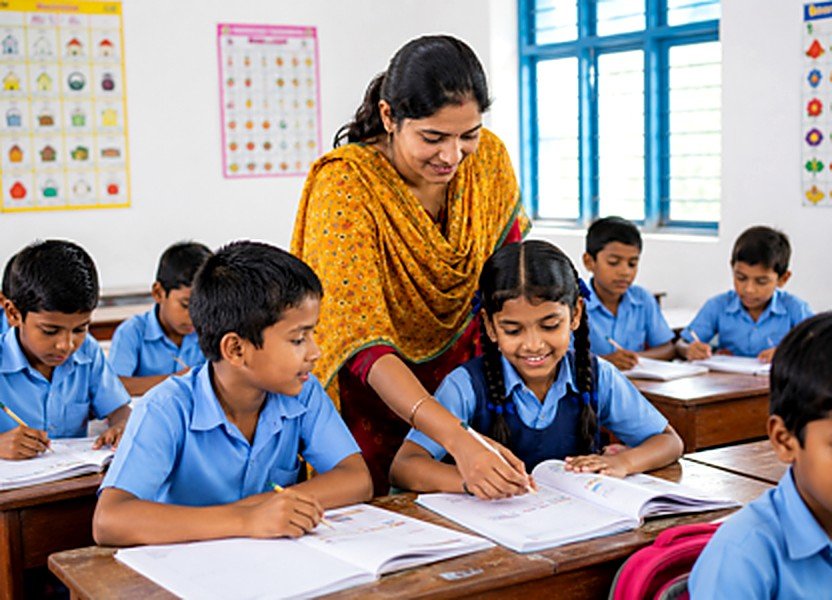
Education is the single most powerful lever for breaking the cycle of rural poverty. Yet for millions of children in rural India, a quality education is still out of reach - not because they lack ability, but because they lack access. Understanding why this matters is the first step toward changing it.
Why rural education still lags behind
Rural children face barriers their urban peers rarely do: long distances to school, under-resourced classrooms, a shortage of trained teachers, and pressure to drop out and earn. Many are first-generation learners with no one at home to guide them. Foundational learning - the ability to read and do basic maths - is where the gap begins, and it widens every year a child falls behind.
What changes when a child stays in school
When a rural child completes a real education, the effects ripple outward for decades. They earn more, stay healthier, marry later and raise healthier, better-educated children of their own. Educated girls, in particular, transform entire communities. Education is not just an individual gain - it is the foundation of rural development itself.
How Kshitij Foundation helps
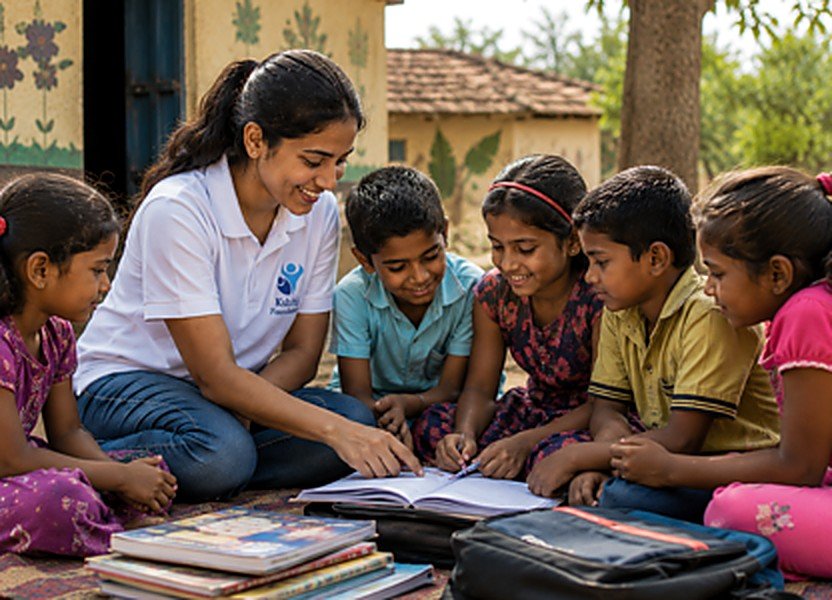
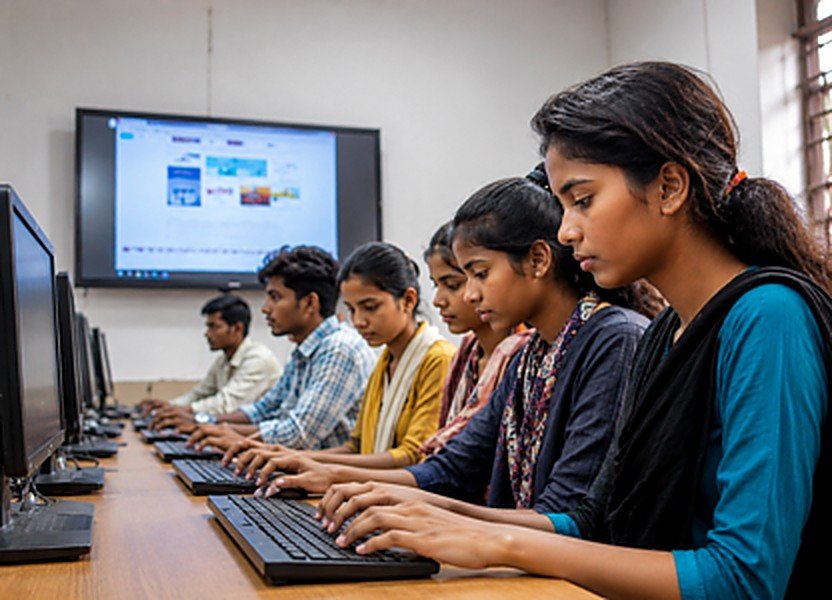
We work directly with rural government schools in Maharashtra through quality education support and digital literacy training - bringing learning materials, digital classrooms and academic support to children who need them most. Every child kept in school is a future rewritten.
Help a rural child stay in school
Your support funds learning kits, digital classrooms and academic help.
Donate NowQuick Answers
Why is child education important in rural India?
It breaks the cycle of poverty - educated children earn more, stay healthier and lift their families and communities over time.
What stops rural children from getting an education?
Distance to school, weak infrastructure, teacher shortages, poverty and being first-generation learners are the biggest barriers.